

As a supplier of EV wall chargers, ensuring the proper grounding of these chargers is not only a technical necessity but also a critical safety measure. In this blog, I'll share some insights on how to ensure the proper grounding of an EV wall charger, drawing from my experience in the industry.
Understanding the Importance of Grounding
Grounding is a fundamental safety feature in electrical systems, including EV wall chargers. It provides a path for electrical current to flow safely into the earth in case of a fault, such as a short - circuit. Without proper grounding, electrical malfunctions can lead to electric shocks, fires, or damage to the charger and the electric vehicle.
When an EV wall charger is operating, it handles high - voltage and high - current electricity. Any electrical fault can pose a serious threat to both the charger and the vehicle. For example, if there is a short - circuit in the charger, the grounding system will direct the excess current away from the user and the equipment, preventing potential harm.
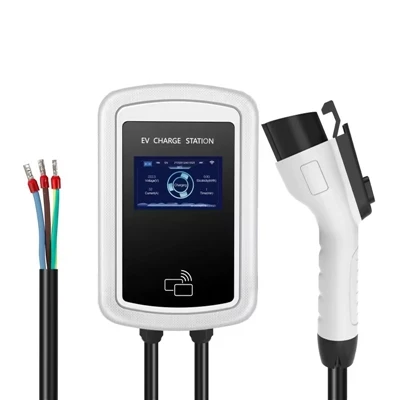
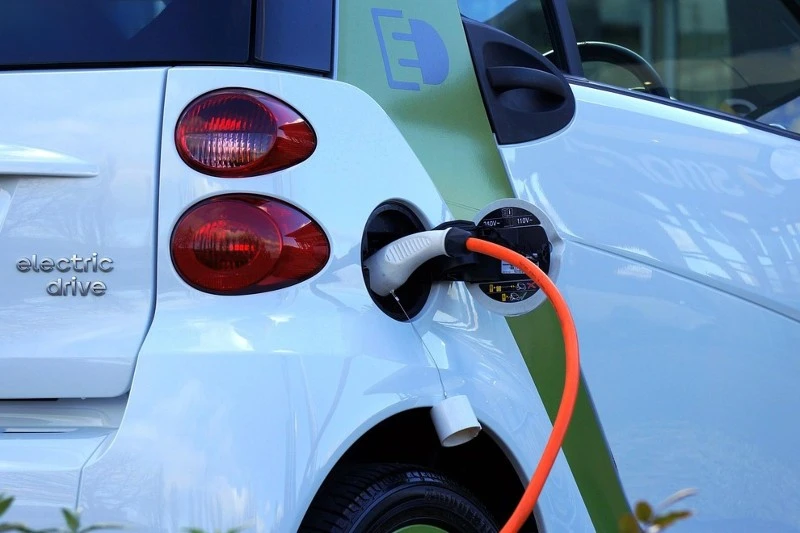
Pre - Installation Checks
Before installing an EV wall charger, it's essential to conduct a series of pre - installation checks. First, you need to assess the electrical system of the installation site. This includes checking the main electrical panel, the service entrance, and the wiring.
The main electrical panel should have an adequate capacity to handle the additional load of the EV wall charger. You can refer to the charger's specifications to determine the required amperage. For instance, our 32A EV Wall Charger requires a specific amperage rating from the electrical panel.
The service entrance should also be inspected for proper grounding. A well - grounded service entrance is the foundation for the entire electrical system. You can use a grounding resistance tester to measure the resistance of the grounding system. The resistance should be within the acceptable range, typically less than 25 ohms.
The wiring at the installation site must be in good condition. Look for any signs of damage, such as frayed wires or loose connections. The wiring should also be of the appropriate gauge for the charger's amperage. For our 22KW EV Wall Charger, a thicker gauge wire may be required compared to a lower - power charger.
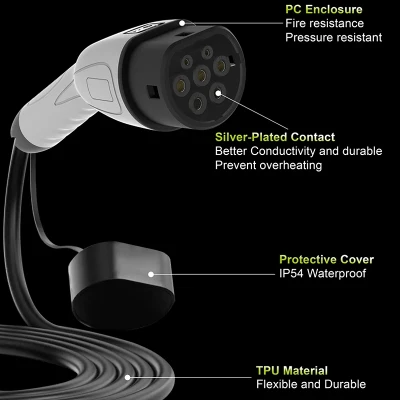
Grounding Requirements for EV Wall Chargers
EV wall chargers have specific grounding requirements. Most chargers are designed to be connected to a dedicated grounding electrode system. This system typically consists of a grounding rod driven into the earth. The grounding rod should be made of a conductive material, such as copper or galvanized steel, and should be at least 8 feet long.
The charger should be connected to the grounding electrode system using a grounding conductor. The grounding conductor should be of the appropriate size, based on the charger's amperage. For example, for a 7KW EV Wall Charger, a smaller gauge grounding conductor may be sufficient, while a higher - power charger may require a larger gauge.
In addition to the dedicated grounding electrode system, the charger should also be connected to the building's grounding system. This helps to ensure that the charger is properly grounded in all circumstances. The connection to the building's grounding system should be made at the main electrical panel.
Installation Process
The installation of an EV wall charger should be carried out by a qualified electrician. During the installation, the electrician will first install the grounding electrode system. This involves driving the grounding rod into the earth and connecting it to the grounding conductor.
Next, the electrician will install the charger and connect it to the grounding conductor. The connection should be made securely, using appropriate connectors and terminals. The electrician will also ensure that the charger is connected to the building's grounding system at the main electrical panel.
After the installation, the electrician will perform a series of tests to ensure that the charger is properly grounded. These tests may include measuring the grounding resistance, checking for proper electrical continuity, and testing the charger's safety features.
Maintenance and Monitoring
Once the EV wall charger is installed, it's important to perform regular maintenance and monitoring. The grounding system should be inspected periodically to ensure that it remains in good condition. Look for any signs of corrosion, damage, or loose connections in the grounding conductor and the grounding electrode system.
You can also use a grounding monitoring device to continuously monitor the grounding status of the charger. This device can alert you if there is a problem with the grounding system, such as a high resistance or a broken connection.
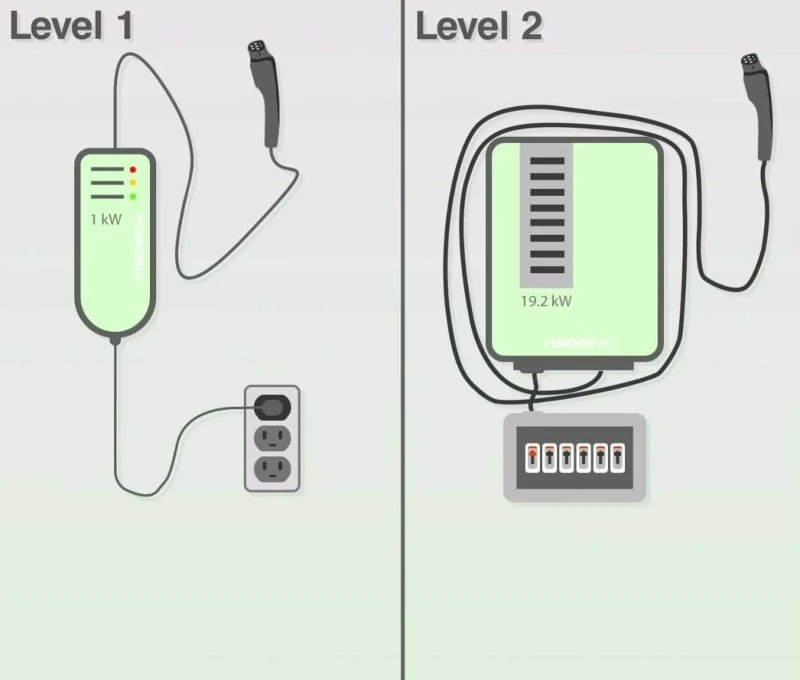
Common Grounding Issues and Solutions
One common grounding issue is a high grounding resistance. This can be caused by a variety of factors, such as dry soil, improper installation of the grounding rod, or corrosion of the grounding conductor. To solve this problem, you can try to increase the moisture content of the soil around the grounding rod. You can also replace the grounding rod or the grounding conductor if they are damaged or corroded.
Another issue is a loose connection in the grounding system. This can be caused by vibrations or improper installation. To fix this, you should check all the connections in the grounding system and tighten them if necessary.
Conclusion
Ensuring the proper grounding of an EV wall charger is crucial for the safety and performance of the charger and the electric vehicle. By following the pre - installation checks, meeting the grounding requirements, and performing regular maintenance and monitoring, you can ensure that your EV wall charger is properly grounded.
If you are interested in purchasing our high - quality EV wall chargers, such as our 16A EV Wall Charger, or need more information about grounding and installation, please feel free to contact us for a purchase consultation.
References
- National Electrical Code (NEC)
- International Electrotechnical Commission (IEC) standards for EV chargers
- Manufacturer's installation and operation manuals for EV wall chargers