

The charging efficiency of an Electric Vehicle (EV) wall charger is a critical factor that impacts the overall user experience and the practicality of EV ownership. As an EV wall charger supplier, we've witnessed firsthand how various factors can influence this efficiency over time. In this blog, we'll delve into the science behind charging efficiency, explore the factors that cause it to change, and discuss how we, as a supplier, address these challenges.
Understanding Charging Efficiency
Charging efficiency refers to the ratio of the energy that actually goes into the EV's battery to the energy drawn from the electrical grid. It's typically expressed as a percentage. For example, if a charger has an efficiency of 90%, it means that 90% of the energy from the grid is stored in the battery, while the remaining 10% is lost as heat or through other inefficiencies.
When an EV is connected to a wall charger, the charger converts the alternating current (AC) from the grid into direct current (DC) that the battery can store. This conversion process isn't perfect, and some energy is lost in the form of heat. Additionally, there are losses in the wiring, connectors, and other components of the charging system.
Initial Charging Efficiency
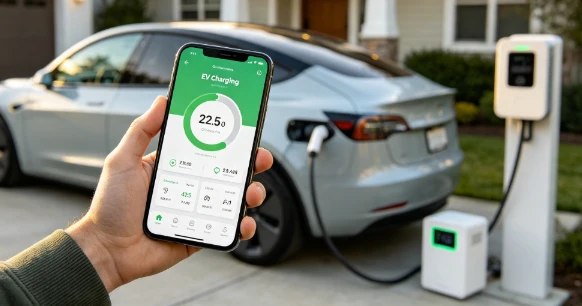
When a new EV wall charger is installed, it usually operates at its peak efficiency. Our 7KW EV Wall Charger and 22KW EV Wall Charger are designed with high - quality components and advanced conversion technologies to ensure maximum efficiency right from the start. These chargers are built to minimize energy losses during the AC - DC conversion process, which is the primary source of inefficiency in most charging systems.
For instance, the 32A EV Wall Charger uses state - of - the - art semiconductor devices that have low resistance, reducing the amount of heat generated during operation. This results in an initial efficiency that can be as high as 93 - 95%, depending on the specific model and operating conditions.
Factors Affecting Charging Efficiency Over Time
1. Component Degradation
Over time, the components of an EV wall charger can degrade. The capacitors, which are used to store and filter electrical energy, may lose their capacitance due to aging. This can lead to increased ripple in the DC output, which in turn reduces the efficiency of the charger. Similarly, the semiconductor devices, such as MOSFETs and IGBTs, can experience wear and tear, increasing their resistance and causing more energy to be lost as heat.
2. Environmental Conditions
The environment in which the charger operates can also have a significant impact on its efficiency. High temperatures can cause the components to operate less efficiently, as the resistance of the materials increases with temperature. In addition, humidity can lead to corrosion of the electrical contacts, increasing the resistance and reducing the overall efficiency of the charger.
3. Usage Patterns
The way the charger is used can also affect its efficiency over time. Frequent high - power charging cycles can put more stress on the components, accelerating their degradation. On the other hand, if the charger is used infrequently, it may experience issues such as contact oxidation, which can also reduce efficiency.


Monitoring and Maintaining Charging Efficiency
As a supplier, we understand the importance of maintaining charging efficiency over the life of the charger. We offer chargers with built - in monitoring systems that can track the efficiency of the charger over time. These systems can detect any changes in efficiency and alert the user or the maintenance team if there are any issues.
Regular maintenance is also crucial for ensuring optimal charging efficiency. We recommend that users have their chargers inspected and serviced at least once a year. During these maintenance checks, our technicians can clean the components, check for any signs of wear and tear, and replace any degraded parts.
Long - Term Efficiency Trends
In general, the charging efficiency of an EV wall charger will gradually decrease over time. However, with proper maintenance and monitoring, this decrease can be minimized. Our chargers are designed to maintain a high level of efficiency for at least 5 - 7 years under normal operating conditions.
We are also constantly researching and developing new technologies to improve the long - term efficiency of our chargers. For example, we are exploring the use of new materials for the components that are more resistant to degradation and have lower resistance. We are also working on improving the cooling systems of our chargers to reduce the impact of high temperatures on efficiency.
Impact on EV Owners
The change in charging efficiency over time can have several implications for EV owners. A decrease in efficiency means that it will take longer to charge the vehicle and that more energy will be consumed from the grid. This can increase the cost of charging and reduce the overall convenience of owning an EV.
However, by choosing a high - quality charger from a reputable supplier and following the recommended maintenance procedures, EV owners can minimize these impacts. Our chargers are designed to provide reliable and efficient charging for many years, ensuring that EV owners can enjoy a hassle - free charging experience.

Conclusion
The charging efficiency of an EV wall charger is a dynamic parameter that changes over time due to various factors such as component degradation, environmental conditions, and usage patterns. As an EV wall charger supplier, we are committed to providing our customers with high - quality chargers that maintain a high level of efficiency throughout their lifespan.
If you are interested in purchasing an EV wall charger or have any questions about charging efficiency, we invite you to contact us for more information. Our team of experts is ready to assist you in finding the right charger for your needs and ensuring that you get the most out of your EV charging experience.
References
- "Electric Vehicle Charging Infrastructure: Technologies and Trends", IEEE Transactions on Transportation Electrification
- "Analysis of Efficiency Degradation in EV Chargers", Journal of Power Electronics
- "Impact of Environmental Conditions on EV Charger Performance", International Journal of Sustainable Energy