

When it comes to charging electric vehicles (EVs), one common question that pops up is, "Can I use an EV wall charger for different EV models?" As an EV wall charger supplier, I get this question a lot, and it's a valid concern. Let's dive into this topic and break it down.

Compatibility Basics
First things first, the good news is that in many cases, you can use an EV wall charger for different EV models. Most modern EVs are designed to be compatible with standard charging systems. There are a few key factors to consider when it comes to compatibility, though.
Charging Connectors: The type of charging connector is crucial. There are different types of connectors used around the world, such as the Type 1 (SAE J1772) mainly used in North America and some Asian countries, and the Type 2 (IEC 62196) which is more prevalent in Europe. Many EV wall chargers come with adapters or are designed to support multiple connector types.
For example, our 16A EV Wall Charger is designed to be versatile, with options for different connectors, which makes it a great choice if you have multiple EVs with different connector requirements. This charger can be easily adjusted to fit the specific needs of various EV models, ensuring that you can charge different cars without any major hassles.
Charging Power: Another important factor is the charging power. Different EV models have different maximum charging capabilities. Some older or more budget - friendly EVs may have a lower maximum charging rate, while newer, high - end models can support faster charging.
Our 32A EV Wall Charger offers a higher charging current compared to the 16A one. It can charge compatible EVs faster, but not all EVs can take advantage of this high - speed charging. When you use a charger with higher power than an EV can handle, the vehicle's onboard charger will limit the charging rate to its maximum capacity. So, while a more powerful charger like the 32A can work with different EVs, the actual charging speed will depend on the car's capabilities.


Different EV Brands and Their Compatibilities
Let's take a look at some of the major EV brands and how they interact with different wall chargers.
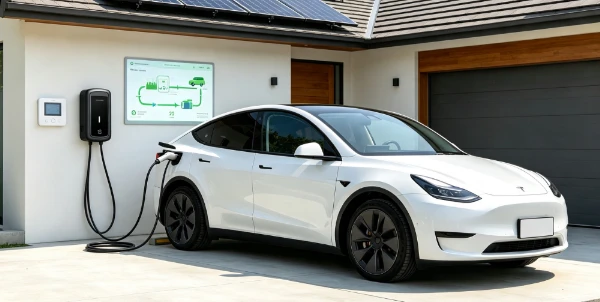
Tesla: Tesla has its own proprietary charging connector, but they also offer an adapter for the Type 2 connector. This means that Tesla owners can use our wall chargers with the appropriate adapter. However, it's important to note that Tesla Superchargers are optimized for Tesla vehicles and offer extremely fast charging speeds that are currently not matched by most third - party wall chargers. But for home charging, our 7KW EV Wall Charger can be a great option for Tesla owners as it provides a reliable and relatively fast charging solution.
Nissan: Nissan Leaf, one of the most popular EVs, uses the CHAdeMO fast - charging standard in addition to the Type 1 connector for slower AC charging. Our chargers, with their adaptable connectors, can be used with the Leaf for AC charging. The Leaf's maximum charging rate for AC charging is something to keep in mind, and our chargers can work within its limits.
BMW: BMW EVs often come with Type 2 connectors and have different charging capabilities depending on the model. Whether it's a BMW i3 or a more recent BMW iX, our wall chargers can be set up to charge these vehicles efficiently. The key is to ensure that the charging power is compatible with what the BMW can handle.
Benefits of Using a Universal Wall Charger
There are several advantages to using a single EV wall charger for different EV models.
- Cost - Efficiency: Buying one high - quality, multi - compatible wall charger is generally more cost - effective than purchasing a separate charger for each EV. Our wall chargers are built to last, and their versatility means that you get more bang for your buck in the long run.
- Convenience: It's much easier to have one charger at home or in the office that can charge all your EVs. You don't have to worry about swapping chargers or dealing with multiple charging stations. Just plug in your EV and start charging.
- Eco - Friendly: Since you're using fewer chargers overall, it reduces electronic waste. Our chargers are also designed to be energy - efficient, which is good for both your wallet and the environment.


Potential Challenges
However, there are a few challenges you might face when using a single wall charger for different EV models.
- Charging Speed: As mentioned earlier, not all EVs can support the maximum charging speed of a high - power charger. This means that if you have a mix of older and newer EVs, you may not be able to fully utilize the charger's capabilities all the time.
- Software Compatibility: In rare cases, there could be software - related issues. Some EVs have sophisticated onboard charging software that may have minor glitches when used with third - party chargers. But our chargers are rigorously tested to minimize these risks.
Tips for Using an EV Wall Charger with Different EVs
- Check Your EV's Manual: Always refer to your EV's owner manual to understand its charging capabilities and requirements. This will help you set up the charger correctly.
- Use the Right Adapter: If your EV requires an adapter to use the charger, make sure it's the correct one and in good condition.
- Regular Maintenance: Keep your charger clean and well - maintained. This will ensure its longevity and reliable performance with different EV models.
Conclusion
So, can you use an EV wall charger for different EV models? Absolutely! With the right charger, like the ones we offer at our company, you can charge a variety of EVs with ease. Our 16A EV Wall Charger, 32A EV Wall Charger, and 7KW EV Wall Charger are designed to be versatile and compatible with many different EV makes and models.
If you're in the market for an EV wall charger that can handle multiple EVs, or if you have any questions about compatibility, don't hesitate to reach out. We're here to help you make the right choice for your charging needs. Contact us to start the procurement process and let's find the perfect charger solution for you.
References
- EV Charging Standards and Compatibility Guides from major automotive manufacturers.
- Industry reports on EV charging infrastructure and technology.