

In the realm of electrical and electronic systems, the significance of choosing the right coaxial cable wire cannot be overstated. Coaxial cables are the workhorses for transmitting high - frequency electromagnetic signals, used in a wide range of applications from television broadcasting to computer networks. As a trusted Coaxial Cable Wire supplier, I am here to share some essential insights on how to make the best choice when it comes to coaxial cables.
Understanding the Basics of Coaxial Cables
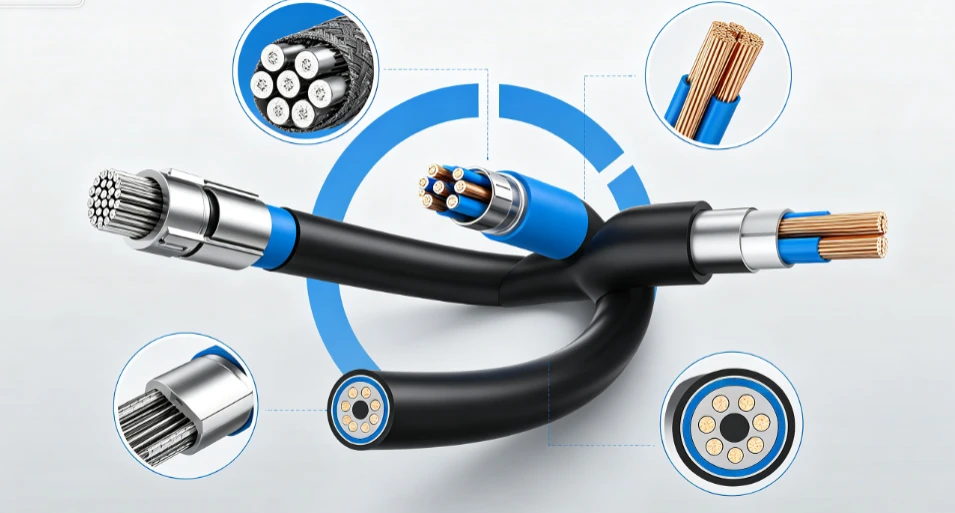
Before delving into the selection process, it is crucial to understand the basic structure of a coaxial cable. A typical coaxial cable consists of a central conductor, which is usually made of copper or copper - plated steel. This conductor is surrounded by a dielectric insulator, which helps maintain the integrity of the signal by reducing interference. Over the dielectric, there is a metallic shield, often made of braided copper or aluminum foil, that protects the signal from external electromagnetic interference (EMI). Finally, an outer jacket made of PVC or other materials provides physical protection to the cable.


Consider the Application
The first step in choosing the right coaxial cable wire is to consider the specific application. Different applications have different requirements in terms of signal frequency, bandwidth, and power handling.
1. Television and Broadcasting
For television and broadcasting applications, you need a cable that can handle high - frequency signals with minimal loss. The 3C2V Coaxial Cable is a popular choice in this field. It offers low attenuation, which means that the signal strength remains relatively stable over long distances. This is crucial for transmitting high - definition TV signals without degradation.
2. Computer Networks
In computer networks, especially those using Ethernet over coaxial cables, you need a cable that can support high - speed data transfer. Cables with a higher bandwidth are preferred. The Injection Molded Coaxial Cable is well - suited for such applications. Its construction ensures reliable data transmission, even in environments with high levels of electromagnetic interference.
3. Industrial and Military Applications
Industrial and military applications often require cables that can withstand harsh environments. The Metal Coaxial Cable is an ideal choice here. It has a robust outer metal sheath that provides excellent protection against physical damage, moisture, and extreme temperatures.


Evaluate Cable Specifications
Once you have identified the application, the next step is to evaluate the cable specifications.
1. Impedance
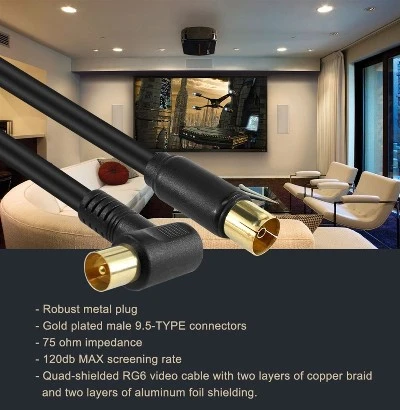
Impedance is a measure of the opposition that a cable presents to the flow of an alternating current. Most coaxial cables have an impedance of either 50 ohms or 75 ohms. 50 - ohm cables are commonly used in radio frequency (RF) applications, such as in wireless communication systems and test equipment. 75 - ohm cables are typically used for video and audio applications, including TV and cable modems.
2. Attenuation
Attenuation refers to the loss of signal strength as it travels through the cable. Lower attenuation values indicate better performance. The attenuation of a cable depends on factors such as the frequency of the signal, the length of the cable, and the quality of the cable's materials. When choosing a cable, look for one with low attenuation, especially if you need to transmit signals over long distances.
3. Bandwidth
Bandwidth is the range of frequencies over which a cable can transmit signals effectively. A higher bandwidth cable can support higher - speed data transfer and more complex signals. For applications that require high - speed data transmission, such as fiber - to - the - home (FTTH) networks, choose a cable with a wide bandwidth.
4. Shielding Effectiveness
Shielding effectiveness is crucial for protecting the signal from external interference. A well - shielded cable will have a lower susceptibility to EMI and radio frequency interference (RFI). The shielding can be measured in decibels (dB), with higher values indicating better shielding. The Gold Plated Coaxial Cable often provides enhanced shielding due to the properties of gold, which is a good conductor and can help reduce signal loss caused by interference.


Cable Length and Flexibility
The length of the cable you need is another important factor. Longer cables generally have higher attenuation, so it is important to choose a cable with low attenuation if you need to cover a long distance. Additionally, consider the flexibility of the cable. In applications where the cable needs to be bent or routed around obstacles, a more flexible cable is preferable.
Connector Compatibility
The connectors used with the coaxial cable are just as important as the cable itself. Make sure that the connectors are compatible with both the cable and the devices you are connecting. Common types of coaxial connectors include BNC, F - type, and SMA. Each type has its own advantages and is suitable for different applications. For example, F - type connectors are widely used in TV and cable modem installations, while BNC connectors are often used in test equipment and RF applications.
Cost - Benefit Analysis
Finally, it is important to conduct a cost - benefit analysis. While high - quality coaxial cables may be more expensive, they often offer better performance and reliability in the long run. Consider the total cost of ownership, including the cost of the cable, installation, and maintenance. In some cases, investing in a higher - quality cable can save you money in the long term by reducing the need for frequent replacements and repairs.
Conclusion
Choosing the right coaxial cable wire is a critical decision that can have a significant impact on the performance of your electrical or electronic system. By considering the application, evaluating cable specifications, taking into account cable length and flexibility, ensuring connector compatibility, and conducting a cost - benefit analysis, you can make an informed choice.
As a Coaxial Cable Wire supplier, we offer a wide range of high - quality coaxial cables, including the Injection Molded Coaxial Cable, 3C2V Coaxial Cable, Metal Coaxial Cable, Coaxial Cable Wire, and Gold Plated Coaxial Cable. If you are in need of coaxial cables for your project, we invite you to contact us for a detailed discussion on your requirements and to explore the best options for your specific needs.
References
- "Coaxial Cable Handbook" by ARRL
- "Electromagnetic Compatibility Engineering" by Henry W. Ott