

Can coaxial cable wire be bent? This is a question that often arises among users and installers of coaxial cables. As a leading supplier of Coaxial Cable Wire, I am here to provide a detailed and scientific answer to this query.
Understanding the Structure of Coaxial Cable Wire
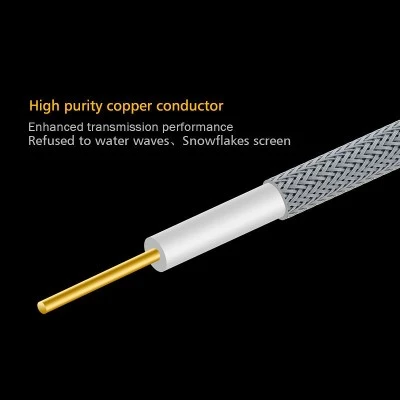
Before delving into the question of bending, it's crucial to understand the basic structure of a coaxial cable. A typical coaxial cable consists of four main components: a central conductor, an insulating layer, a metallic shield, and an outer jacket. The central conductor, usually made of copper or aluminum, carries the electrical signal. The insulating layer, often made of plastic, separates the central conductor from the metallic shield, which helps to prevent electromagnetic interference. The outer jacket provides mechanical protection to the inner components.

The Physics Behind Bending Coaxial Cables
When a coaxial cable is bent, several physical phenomena occur. First, the shape of the cable changes, which can affect the distribution of the electrical field within the cable. The central conductor and the metallic shield may move relative to each other, altering the characteristic impedance of the cable. Characteristic impedance is a crucial parameter that determines how well the cable can transmit electrical signals without reflection.
If the bend is too sharp, it can cause the central conductor to deform or even break, leading to a loss of signal or a complete failure of the cable. Additionally, the metallic shield may crack or separate from the insulating layer, allowing electromagnetic interference to enter the cable and degrade the signal quality.
Bend Radius and Its Significance
The bend radius is a critical factor when considering the bending of coaxial cables. The bend radius is defined as the minimum radius to which a cable can be bent without causing damage or significant signal degradation. It is usually specified by the cable manufacturer and depends on several factors, including the cable's diameter, construction, and the type of application.
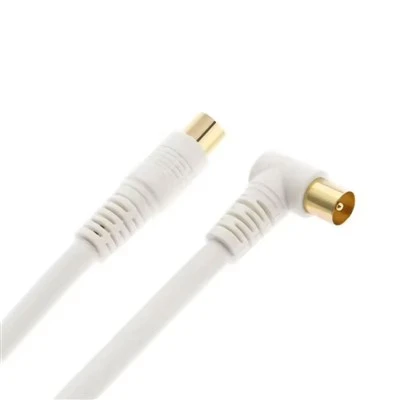
For example, a smaller-diameter cable generally has a smaller bend radius than a larger-diameter cable. Similarly, cables designed for high-frequency applications, such as Gold Plated Coaxial Cable, often have more stringent bend radius requirements to maintain signal integrity.
Types of Coaxial Cables and Their Bendability
Different types of coaxial cables have different levels of bendability. Let's take a look at some common types of coaxial cables and how they respond to bending:
1. Metal Coaxial Cable
Metal coaxial cables, which typically have a solid metallic shield, are relatively rigid compared to other types of coaxial cables. They are often used in applications where signal strength and EMI protection are critical, such as in industrial and military environments. However, their rigidity means that they have a larger bend radius and are more susceptible to damage if bent too sharply.
2. 3C2V Coaxial Cable
3C2V coaxial cables are commonly used in CCTV and video surveillance systems. They are designed to provide a good balance between signal quality and flexibility. These cables have a moderate bend radius and can withstand some level of bending without significant signal loss. However, it's still important to follow the manufacturer's guidelines to ensure optimal performance.
3. Injection Molded Coaxial Cable
Injection molded coaxial cables are known for their durability and reliability. The injection molding process creates a tight seal around the cable, providing excellent protection against moisture, dust, and mechanical stress. These cables can tolerate some bending, but like all coaxial cables, they have a minimum bend radius that should be respected.

Best Practices for Bending Coaxial Cables
To ensure the longevity and performance of coaxial cables, it's essential to follow some best practices when bending them:
- Follow the Manufacturer's Guidelines: Always refer to the manufacturer's specifications for the recommended bend radius. This information can usually be found in the product datasheet or on the manufacturer's website.
- Use Proper Tools: When bending coaxial cables, use tools such as cable benders or curve formers to ensure that the bend radius is consistent and within the acceptable range. Avoid using sharp objects or excessive force, as this can damage the cable.
- Avoid Tight Bends: As a general rule, try to avoid making tight bends in coaxial cables. If possible, make gradual bends with a radius that is at least as large as the recommended bend radius.
- Inspect the Cable: After bending the cable, visually inspect it for any signs of damage, such as cracks in the outer jacket or deformation of the central conductor. If you notice any damage, replace the cable immediately.
Impact of Bending on Cable Performance
Bending a coaxial cable can have several impacts on its performance, including:
- Signal Loss: A sharp bend can cause the characteristic impedance of the cable to change, leading to signal reflection and loss. This can result in a decrease in signal strength and quality, which may affect the performance of the connected devices.
- Electromagnetic Interference (EMI): If the metallic shield of the cable is damaged due to bending, it can allow electromagnetic interference to enter the cable. EMI can cause noise and distortion in the signal, leading to errors and reduced reliability.
- Mechanical Failure: Over time, repeated bending or bending beyond the recommended bend radius can cause the cable to weaken and eventually fail. This can result in a complete loss of signal and may require the replacement of the cable.
Applications and Considerations
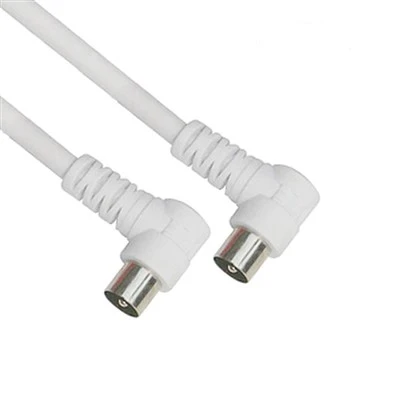
In different applications, the ability to bend coaxial cables plays a crucial role. For example, in home installations of cable TV or internet services, coaxial cables need to be bent around corners and through walls. In such cases, it's important to use cables with an appropriate bend radius and to follow the installation guidelines provided by the service provider.
In automotive applications, coaxial cables are used for various purposes, such as connecting antennas and infotainment systems. These cables need to withstand vibrations and movement, which requires them to be flexible and able to tolerate some bending.
In industrial settings, coaxial cables are often used in harsh environments where they may be exposed to extreme temperatures, moisture, and mechanical stress. In these situations, the choice of cable and the proper handling of bends are even more critical to ensure reliable operation.

Conclusion and Call to Action
In conclusion, coaxial cables can be bent, but it's essential to do so within the recommended bend radius to avoid damaging the cable and affecting its performance. As a Coaxial Cable Wire supplier, we offer a wide range of coaxial cables with different bendability characteristics to meet the needs of various applications. Our cables are designed and manufactured to the highest standards, ensuring reliable performance and long service life.
If you are in the market for high-quality coaxial cables or have any questions about cable bending and installation, we encourage you to contact us for a detailed consultation. Our team of experts is ready to provide you with the best solutions and advice to meet your specific requirements. Let's work together to ensure the success of your projects.
References
- IEEE Standards for Coaxial Cable Testing and Performance
- Manufacturer's Datasheets for Coaxial Cables
- Industry Publications on Coaxial Cable Technology