

As a supplier of EV charger cables, ensuring the safety of these cables during use is of utmost importance. Not only does it protect the end - users and their vehicles, but it also upholds the reputation of our products and the industry as a whole. In this blog, I will delve into several key aspects that can help ensure the safety of EV charger cables during use.
Quality Manufacturing
The foundation of a safe EV charger cable lies in its manufacturing process. At our company, we adhere to the highest industry standards and regulations when producing these cables. We use high - quality materials that are specifically designed to withstand the electrical currents and environmental conditions associated with EV charging.
For instance, the conductors inside the cable are made of high - purity copper, which has excellent electrical conductivity and low resistance. This reduces the amount of heat generated during charging, minimizing the risk of overheating and potential fire hazards. The insulation material is also carefully selected to provide reliable electrical isolation. It should be resistant to abrasion, chemicals, and high temperatures.
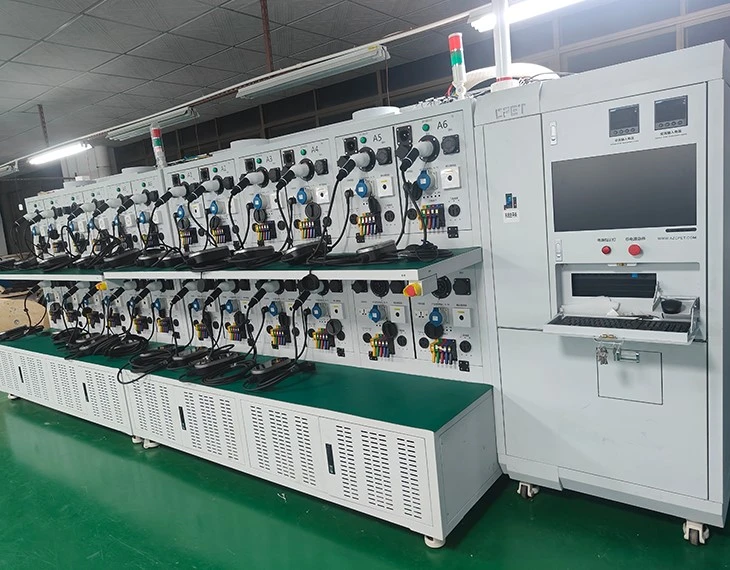
We also subject our cables to rigorous quality control tests during the manufacturing process. These tests include electrical performance tests, such as measuring the resistance and capacitance of the cable, as well as mechanical tests to check the durability of the cable under different stress conditions. Only after passing all these tests can our cables be released into the market.


Proper Installation
Proper installation of the EV charger cable is crucial for its safe operation. First of all, the charger should be installed in a suitable location. It should be away from flammable materials, water sources, and direct sunlight. The installation site should also have good ventilation to prevent the accumulation of heat.
When connecting the cable, it is essential to follow the correct wiring procedures. The cable should be securely plugged into both the charger and the vehicle's charging port. Loose connections can lead to arcing, which is a major safety hazard. We provide detailed installation instructions with each cable, and we also recommend that the installation be carried out by a qualified electrician.
Regular Inspection
Regular inspection of the EV charger cable is necessary to detect any potential safety issues early. Users should visually inspect the cable for any signs of damage, such as cuts, abrasions, or bulges. If any damage is found, the cable should be immediately replaced.
In addition to visual inspection, the electrical performance of the cable should also be periodically tested. This can be done using specialized testing equipment. For example, measuring the insulation resistance of the cable can help identify any insulation breakdown, which could lead to electrical leakage.
Protection Against Environmental Factors
EV charger cables are often exposed to various environmental factors, such as moisture, extreme temperatures, and UV radiation. These factors can degrade the cable over time and pose safety risks.
To protect against moisture, our cables are designed with waterproofing features. The connectors are sealed to prevent water from entering the electrical components. We also recommend that the charger and cable be stored in a dry place when not in use.
In terms of temperature, our cables are engineered to operate within a wide temperature range. However, in extremely cold or hot environments, additional precautions may be needed. For example, in cold weather, the cable may become more brittle, so it should be handled with care. In hot weather, the charger should be placed in a shaded area to prevent overheating.
UV radiation can also cause the cable's outer jacket to degrade. To combat this, we use UV - resistant materials for the cable's outer layer.


Compatibility
Ensuring the compatibility of the EV charger cable with the charger and the vehicle is essential for safety. Different vehicles and chargers may have different charging requirements, such as voltage and current ratings. Using an incompatible cable can lead to overheating, electrical damage, or even pose a risk of electric shock.
We offer a variety of EV charger cables to meet the different needs of our customers, including Type 1 Car Charging Cable, Type 2 Car Charging Cable, and GB T EV Charger Cable. Before purchasing a cable, we recommend that customers check the specifications of their vehicles and chargers to ensure a proper fit.
User Education
Educating users about the safe use of EV charger cables is an important part of our safety strategy. We provide clear and comprehensive user manuals with each cable, which include instructions on installation, operation, maintenance, and safety precautions.
We also encourage users to stay informed about the latest safety guidelines and best practices for EV charging. This can help them make informed decisions and take appropriate actions to ensure the safety of their charging equipment.

Emergency Response Planning
Despite all the preventive measures, emergencies can still occur. Therefore, it is important to have an emergency response plan in place. Users should be aware of what to do in case of an electrical fire, electric shock, or other charging - related emergencies.
For example, in case of an electrical fire, users should immediately disconnect the charger from the power source and use a fire extinguisher suitable for electrical fires. They should also know how to perform basic first - aid in case of electric shock.
In conclusion, ensuring the safety of an EV charger cable during use requires a comprehensive approach that includes quality manufacturing, proper installation, regular inspection, protection against environmental factors, compatibility, user education, and emergency response planning. As a supplier of EV charger cables, we are committed to providing high - quality, safe products and supporting our customers in using them correctly.
If you are in the market for EV charger cables and are concerned about safety and quality, we would love to have a conversation with you. Our team of experts can provide you with detailed information about our products and help you choose the most suitable cable for your needs. Contact us for procurement discussions and let's work together to ensure a safe and efficient EV charging experience.
References:
- International Electrotechnical Commission (IEC) standards for EV charging cables.
- National Electrical Code (NEC) requirements for EV charger installations.
- Manufacturer's guidelines and technical specifications for EV charger cables.