

In the intricate world of modern electronics and communication, coaxial cable wire stands as a cornerstone for transmitting high - frequency electrical signals. As a trusted Coaxial Cable Wire supplier, I've witnessed firsthand the importance of understanding the concept of signal loss in these cables. This knowledge is not only crucial for engineers and technicians but also for anyone involved in the procurement of coaxial cables.
Understanding Coaxial Cable Basics
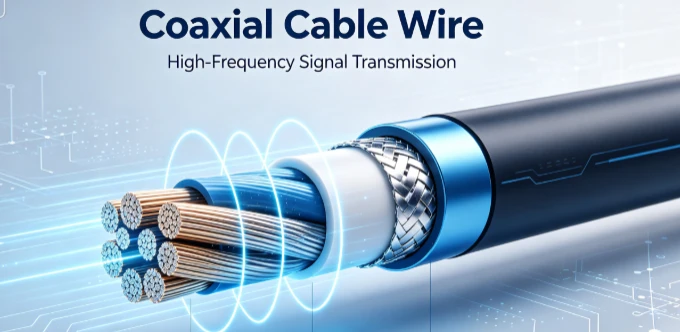
Before delving into signal loss, it's essential to understand the basic structure of a coaxial cable. A typical coaxial cable consists of an inner conductor, usually made of copper, which carries the electrical signal. Surrounding this inner conductor is a layer of insulating material, often polyethylene, which prevents electrical interference. Next is a metallic shield, typically made of copper braid or aluminum foil, that protects the inner conductor from external electromagnetic interference. Finally, an outer jacket, usually made of PVC or other durable materials, provides mechanical protection to the cable.
What is Signal Loss?
Signal loss, also known as attenuation, is the reduction in the strength of an electrical signal as it travels through a coaxial cable. It is an inevitable phenomenon and is measured in decibels per unit length (dB/m or dB/ft). The signal at the input end of the cable is stronger than the signal at the output end, and this difference in signal strength is what we refer to as signal loss.
Factors Contributing to Signal Loss
There are several factors that contribute to signal loss in coaxial cable wire.
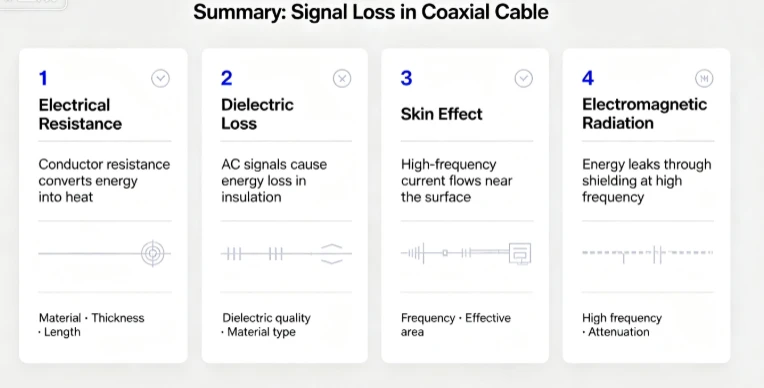
1. Electrical Resistance
The inner conductor of the coaxial cable has a certain amount of electrical resistance. As the electrical signal travels through the conductor, some of the electrical energy is converted into heat due to this resistance. This energy loss manifests as a decrease in the signal strength. The resistance of the conductor depends on its material, cross - sectional area, and the length of the cable. For instance, a thinner conductor or a longer cable will have higher resistance and, consequently, more signal loss.
2. Dielectric Loss
The insulating material (dielectric) between the inner conductor and the shield also plays a role in signal loss. When an alternating current signal passes through the cable, the dielectric material is subjected to an alternating electric field. This causes the molecules in the dielectric to vibrate, dissipating some of the electrical energy as heat. Different dielectric materials have different dielectric loss factors, and choosing a high - quality dielectric can significantly reduce signal loss. For example, using polyethylene with a low dielectric constant as the insulation can help minimize dielectric loss.
3. Skin Effect
At high frequencies, the skin effect becomes a significant factor in signal loss. The skin effect causes the alternating current to flow mainly near the outer surface (skin) of the conductor. As the frequency increases, the depth of penetration of the current into the conductor decreases. This effectively reduces the cross - sectional area of the conductor available for current flow, increasing the resistance and, therefore, the signal loss.
4. Electromagnetic Radiation
Although the metallic shield in a coaxial cable is designed to prevent electromagnetic interference, some of the electrical energy can still radiate out from the cable at high frequencies. This radiation reduces the strength of the signal within the cable, contributing to signal loss.
Impact of Signal Loss on Performance
Signal loss can have a significant impact on the performance of a communication system that relies on coaxial cables. In a television broadcasting system, for example, high signal loss can result in a poor picture quality, with issues such as pixelation, ghosting, or a complete loss of signal. In a data transmission network, signal loss can lead to errors in data transfer, reducing the reliability and speed of the network.


Measuring Signal Loss
To ensure the proper functioning of a coaxial cable system, it is essential to measure signal loss accurately. This is typically done using a device called a network analyzer. A network analyzer sends a test signal through the cable and measures the difference in signal strength between the input and the output. The results are then presented in decibels, allowing technicians to determine if the signal loss is within acceptable limits.
Minimizing Signal Loss
As a Coaxial Cable Wire supplier, I understand the importance of minimizing signal loss. There are several ways to achieve this:
1. Use High - Quality Materials
Selecting high - purity copper for the inner conductor and a low - loss dielectric material can significantly reduce signal loss. For example, Gold Plated Coaxial Cable offers better conductivity and corrosion resistance, which can help maintain signal strength.
2. Optimize Cable Design
The design of the cable, such as the thickness of the inner conductor and the shield, can also affect signal loss. A thicker inner conductor will have lower resistance, reducing signal loss due to electrical resistance. Additionally, a well - designed shield can effectively prevent electromagnetic radiation and interference. Our 3C2V Coaxial Cable is engineered with an optimized design to minimize signal loss.
3. Limit Cable Length
Since signal loss increases with the length of the cable, it is advisable to use the shortest possible cable for a given application. If longer cables are required, signal amplifiers or repeaters can be installed at regular intervals to boost the signal strength.
Different Types of Coaxial Cables and Their Signal Loss Characteristics
As a Coaxial Cable Wire supplier, we offer a wide range of coaxial cables, each with its own signal loss characteristics.
1. Coaxial Cable Wire
This is a general - purpose coaxial cable used in a variety of applications, including television and data transmission. The signal loss in these cables is relatively low at lower frequencies but can increase significantly at higher frequencies.
2. Injection Molded Coaxial Cable
These cables are designed with a molded connector, which provides a more secure and reliable connection. The injection - molding process can help reduce signal loss at the connector interface, improving the overall performance of the cable.
3. Metal Coaxial Cable
Metal coaxial cables are often used in high - performance applications where low signal loss and high shielding effectiveness are required. The metal outer jacket provides additional protection against electromagnetic interference, reducing signal loss due to radiation.
Conclusion
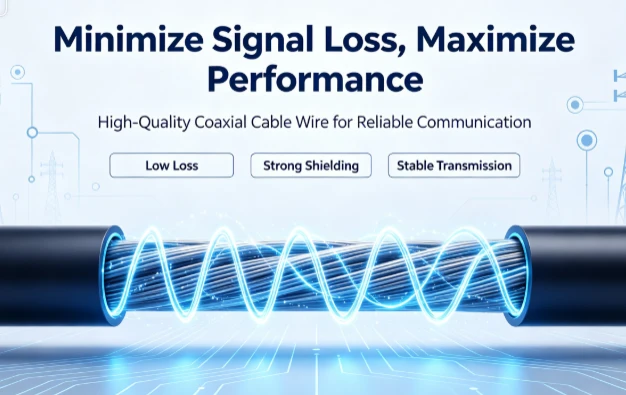
In conclusion, signal loss is an important consideration when using coaxial cable wire. Understanding the factors that contribute to signal loss and taking appropriate measures to minimize it can ensure the reliable and efficient operation of communication systems. As a Coaxial Cable Wire supplier, we are committed to providing high - quality cables that minimize signal loss and meet the diverse needs of our customers. Whether you are in the business of television broadcasting, data networking, or any other application that requires coaxial cables, we invite you to contact us for more information and to discuss your procurement needs. Our team of experts is ready to assist you in selecting the right coaxial cable for your specific requirements.
References
- "Coaxial Cable Handbook" by ARRL
- "Electromagnetic Field Theory Fundamentals" by Bhag Singh Guru and Hüseyin R. Hiziroglu
- "Telecommunication Cabling Installation Manual" by BICSI