


Introduction
Choosing the right headsets starts with understanding your target customers. Office workers, gamers, students, and everyday consumers have different expectations for comfort, sound quality, connectivity, and price. For distributors and wholesalers, matching headset features to market demand helps build a more suitable product range and avoid unnecessary inventory.
1. Identify Your Target Customer Groups
Different customer groups prioritize different headset features.
Office workers and call centers: Clear microphone performance, lightweight construction, comfortable ear cushions, and reliable connectivity are essential for frequent calls.
Gamers: Sound quality, microphone clarity, long-session comfort, and compatibility with gaming platforms are key considerations.
Students and educational users: Easy operation, durable construction, comfortable fit, and affordable pricing often matter most.
Everyday consumers: Buyers may focus on design, portability, music quality, and overall value.
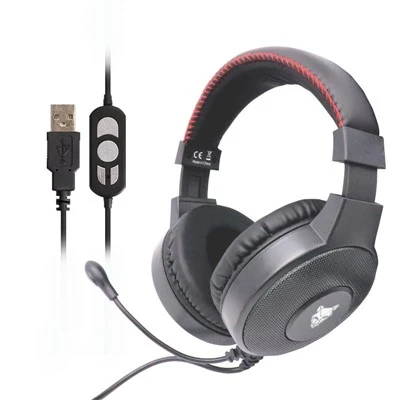
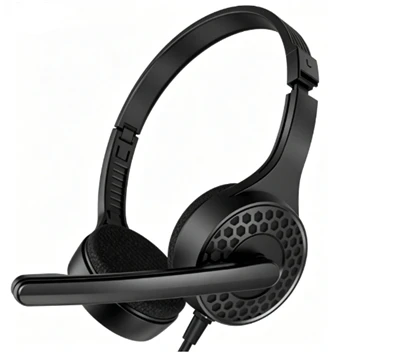
Review your customers' main use cases before selecting products. You can explore different options in a PC headset product range to compare models for different applications.

2. Match Headset Features to Buying Needs
Once you understand the market, compare the features that matter most.
Connectivity: USB-A and USB-C headsets suit many computers and compatible devices, while 3.5 mm models can work with a wider range of equipment that has a matching audio jack. Wireless headsets offer more freedom of movement but require battery management.
Microphone performance: Call centers and online meetings benefit from clear voice pickup and microphone noise reduction. This is different from active noise cancellation (ANC), which reduces certain background sounds heard by the wearer.
Design: Mono headsets may suit users who need to remain aware of their surroundings, while stereo models provide audio in both ears for gaming, music, and focused work.
Compare computer headsets for office and gaming based on the intended use rather than choosing features simply because they are popular.
3. Choose the Right Price and Product Positioning
A balanced product range can include entry-level, mid-range, and premium headsets.
Entry-level models may suit budget-conscious buyers and large-volume projects. Mid-range products can offer a practical balance of comfort, sound, and connectivity. Premium models may appeal to customers who prioritize advanced features, materials, or wireless convenience.
The best price point depends on customer expectations, competing products, and the features required. Avoid paying for specifications your target customers are unlikely to use.
4. Check Compatibility, Comfort, and Quality
Before selecting a headset, confirm that it works with the devices and software your customers use. Business buyers may require specific compatibility or certification for meeting platforms. Check the official Microsoft Teams device list when certification is required.
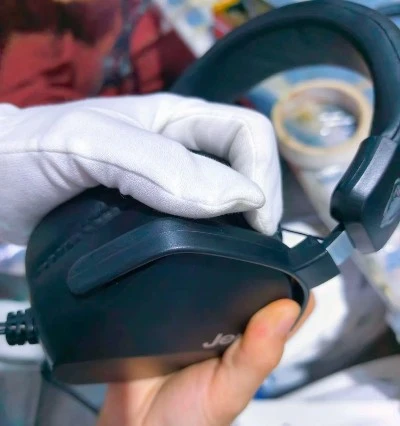
Comfort and durability also matter. Examine headband adjustment, ear cushion materials, cable strength, microphone positioning, and control accessibility. For products intended for long working sessions, fit and comfort should be evaluated through sample testing.
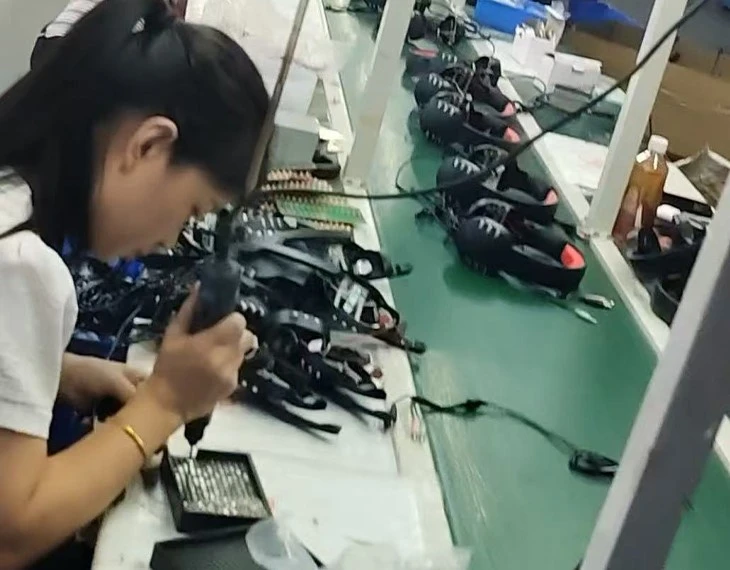
A consistent headset quality control and testing process can help buyers assess product quality before placing larger orders.
5. Plan a Practical Wholesale Product Range
Distributors do not need to stock every headset type. Start with products that address the needs of your main customer groups, then expand based on sales data, customer feedback, and seasonal demand.
For example, a business serving offices may prioritize USB headsets with clear microphones, while a gaming retailer may need models with stereo sound and gaming-focused designs. A smaller, well-planned selection can make inventory management easier and keep purchasing decisions focused.
6. Consider OEM, Private Label, and Packaging
If you sell under your own brand, ask manufacturers about customization options. Depending on the model and order quantity, these may include logos, colors, product appearance, and retail packaging.
Review OEM and ODM headset customization options early in the sourcing process. Confirm minimum order quantities (MOQ), sample approval procedures, development costs, and production lead times before finalizing the order.
Conclusion
Choosing the right headsets means matching product features, price, and quality to specific customer needs. For B2B buyers, a market-focused product range supports clearer positioning and more practical purchasing decisions.
FAQ
1. How do I choose headsets for my target market?
Identify customers' main uses, preferred features, device compatibility, and budgets before selecting products.
2. Which headsets are suitable for office use?
Look for clear microphone performance, comfortable design, reliable connectivity, and compatibility with office devices.
3. Can gaming headsets be used for office calls?
Yes, if the microphone, comfort, and device compatibility meet the user's needs.
4. What matters most for call center headsets?
Voice clarity, comfort, durability, and easy-to-use controls are important.
5. How should wholesalers plan their headset range?
Use customer feedback and sales data to balance product variety with inventory needs.
6. Can manufacturers provide private-label headsets?
Some manufacturers offer logo, color, and packaging customization, depending on the model and order quantity.