


Introduction
Choosing the right headsets is about more than sound. For businesses, the best option depends on customer needs, comfort, product cost, and target market. If you are a retailer, distributor, or brand owner, understanding the difference between over-ear and on-ear headsets can help you make smarter buying decisions.
What Is the Difference Between Over-Ear and On-Ear Headsets?
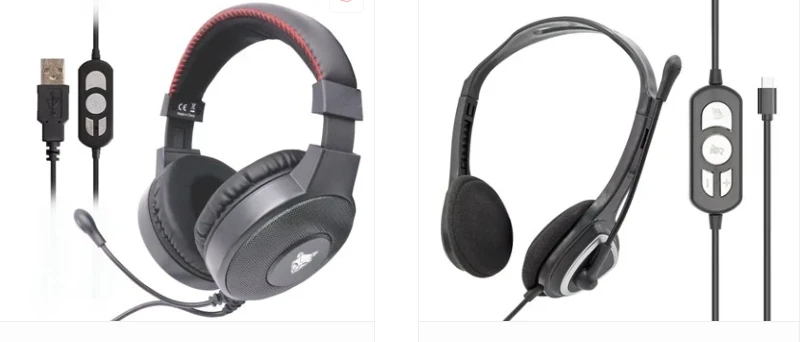
Over-ear headsets have ear cups that surround the ears. On-ear headsets have smaller ear cups that rest directly on them.
Both styles are available in wired and wireless versions. Many headsets also include microphones for calls, meetings, gaming, and customer service.


Over-Ear vs. On-Ear Headsets: Key Differences
| Feature | Over-Ear Headsets | On-Ear Headsets |
|---|---|---|
| Fit | Surrounds the ears | Rests on the ears |
| Comfort | Often suitable for long sessions | May create ear pressure |
| Noise isolation | Usually better | Usually more limited |
| Portability | Often larger | Usually lighter |
| Best use | Office work, gaming, call centers | Daily use, commuting, portable communication |
Actual performance depends on the model, ear pad design, microphone, and build quality. For more details, see RTINGS' over-ear vs. on-ear comparison.
Which Headset Type Is Best for Your Market?
Over-ear headsets are worth considering for office workers, call centers, gamers, and users who need comfortable listening or better passive noise isolation.
On-ear headsets may suit customers who prefer a compact, lightweight design. They can be useful for everyday communication and workplaces where portability matters.
For business buyers, the best choice depends on customer demand. Retailers and distributors may stock both styles to serve different budgets and applications.
What Should Wholesale Buyers Compare Before Ordering?
When sourcing bulk headsets, look beyond the unit price. Compare these factors before placing an order:
- Comfort: Check headband pressure, ear pad materials, and fit.
- Microphone quality: Test voice clarity and background noise handling.
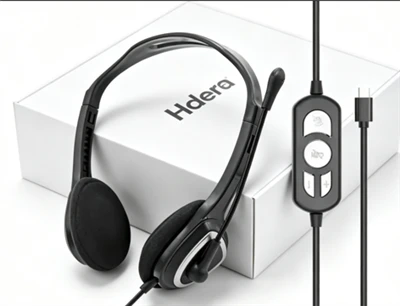
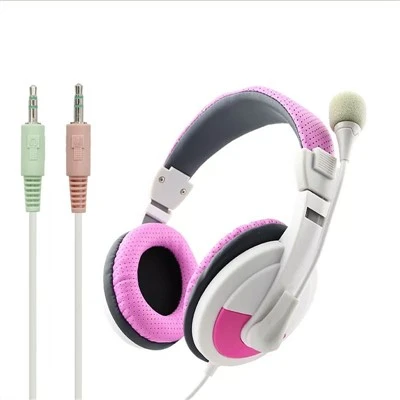
- Compatibility: Confirm USB-C, USB-A, 3.5 mm, or wireless requirements.
- Durability: Inspect cables, hinges, ear pads, and controls.
- Commercial terms: Confirm minimum order quantity (MOQ), lead time, packaging, and warranty.
- Quality control: Request samples and agree on inspection standards before mass production.
Testing samples helps you confirm product quality before committing to a large order.
OEM/ODM Headsets: How to Choose a Supplier
If you want to build your own brand, work with a headset manufacturer that can support your product requirements and order plans.
OEM services generally follow your specifications, while ODM services may allow you to adapt an existing design. Depending on the model, customization can include logos, colors, cable options, microphones, and packaging.
Explore our OEM/ODM manufacturing services to learn about customization and production support. You can also review our USB-C computer headsets for wired business communication.
Before ordering, confirm specifications, sample approval, production schedules, and quality requirements in writing.
Final Verdict: Which Type Should You Stock?
Over-ear headsets may suit customers who value comfort and noise isolation. On-ear headsets can appeal to buyers who prefer a lighter, more compact design.
For wholesalers and distributors, the best choice depends on your customers, price range, and sales channel.
Frequently Asked Questions
1. Are over-ear headsets better than on-ear headsets?
They often provide better passive noise isolation, but the best choice depends on fit and intended use.
2. Which headset type is better for long working hours?
Over-ear models may feel more comfortable, depending on ear pads and headband pressure.
3. Do on-ear headsets block outside noise?
They can reduce some noise, but usually provide less isolation than well-sealed over-ear models.
4. Which headsets are better for office use?
Both can work well. Compare microphone clarity, comfort, connection type, and device compatibility.
5. Can I order headsets with my company logo?
Many manufacturers offer logo and packaging customization, subject to product options and order requirements.