

Hey there, fellow audio enthusiasts! As a supplier of PC headphones, I've been getting a lot of questions lately about how these headphones perform in different room acoustics. So, I thought I'd dive into this topic and share some insights with you.

First off, let's talk about what room acoustics are. Room acoustics refer to the way sound behaves in a particular space. It's affected by a bunch of factors like the size of the room, the shape of the walls, the materials used in the construction, and even the furniture inside. All these elements can either enhance or degrade the sound quality you experience when using your PC headphones.
Now, you might be wondering, "Do PC headphones really work differently in various room acoustics?" The short answer is yes. The acoustic environment can have a significant impact on how you perceive the sound coming from your headphones.
Let's start with small rooms. In a small room, the sound waves don't have much space to travel. This can lead to a phenomenon called "standing waves." Standing waves occur when sound waves bounce back and forth between the walls, creating areas of high and low pressure. These standing waves can cause certain frequencies to be amplified or canceled out, which can make the sound seem boomy or thin.
When you're using PC headphones in a small room, you might notice that the bass sounds a bit overpowering. This is because the low - frequency sound waves are more likely to build up in a confined space. For example, if you're listening to music with a lot of bass, like hip - hop or electronic music, the bass might seem too heavy and muddy. However, if you're into podcasts or audiobooks, the impact of the small - room acoustics might be less noticeable since these types of content don't rely as much on a wide range of frequencies.
On the other hand, large rooms present a different set of challenges. In a large room, the sound waves have more space to spread out. This can result in a more "open" sound, but it also means that the sound can get absorbed or scattered by the large surfaces in the room. For instance, if the room has a lot of soft materials like carpets, curtains, or upholstered furniture, these materials will absorb a significant amount of the sound energy.
When using PC headphones in a large room, you might find that the sound lacks the punch and clarity that you're used to. The high frequencies, in particular, can get dulled as they're absorbed by the soft surfaces. So, if you're a gamer who relies on clear audio cues to locate enemies or a musician who needs to hear every detail in a track, the large - room acoustics can be a bit of a problem.

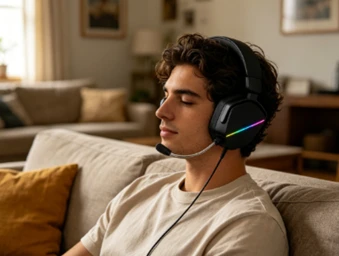
Another factor to consider is the shape of the room. Irregularly shaped rooms can cause the sound to reflect in unpredictable ways. This can lead to a phenomenon called "flutter echo," which is a rapid series of echoes that can make the sound seem harsh and distorted. In contrast, rectangular rooms are more predictable in terms of sound reflection, but they can still have issues with standing waves if the dimensions are not carefully considered.
So, how can you make the most of your PC headphones in different room acoustics? Well, one option is to use acoustic treatment. Acoustic treatment involves adding materials to the room that can absorb or diffuse sound waves. For example, you can install acoustic panels on the walls to reduce the impact of standing waves and flutter echo. These panels are designed to absorb specific frequencies, which can help to balance out the sound in the room.
Another thing you can do is adjust the equalizer settings on your PC. Most audio software comes with an equalizer that allows you to boost or cut different frequencies. If you're in a small room and the bass is too overpowering, you can reduce the low - frequency settings. Conversely, if you're in a large room and the high frequencies are lacking, you can boost them.
Now, let's talk about the types of PC headphones that might perform better in different room acoustics. Closed - back headphones are a great choice for small rooms. They isolate the sound from the outside environment, which can help to reduce the impact of the standing waves. Closed - back headphones also tend to have a more focused sound, which can be beneficial in a small, confined space.
On the other hand, open - back headphones are better suited for large rooms. They allow the sound to escape, which can create a more natural and open soundstage. However, they're not as good at isolating the sound, so they might not be the best choice if you have a noisy environment.
As a PC headphones supplier, I offer a wide range of products to suit different needs and room acoustics. For example, our 3.5mm Computer Headset is a great all - around option. It's compatible with most PCs and offers a decent sound quality. If you need a headset with a microphone for gaming or video conferencing, our Computer Headset with Microphone is a perfect choice. And for those who prefer a USB plug, our USB Plug AM Computer Headset provides a convenient and reliable connection.
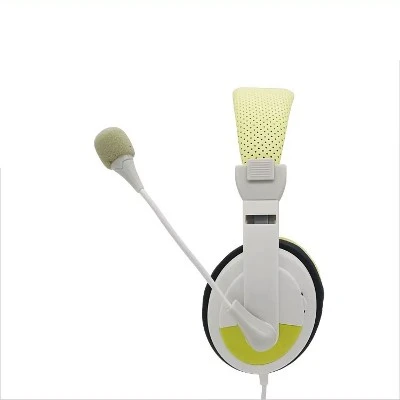
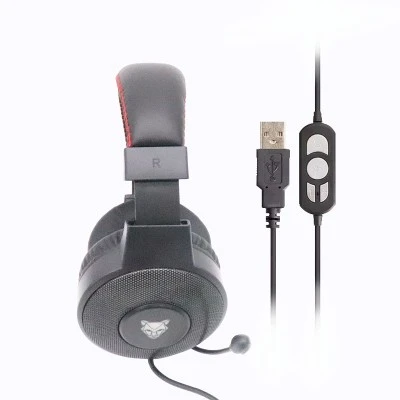
If you're in the market for new PC headphones and want to ensure that they work well in your specific room acoustics, I'd love to help. Whether you're a gamer, a musician, or just someone who enjoys listening to music on their PC, I can provide you with the right advice and products. Don't hesitate to reach out to discuss your requirements and start a procurement discussion. We can work together to find the perfect headphones for your needs and your room.
In conclusion, room acoustics do play a significant role in how PC headphones perform. By understanding the characteristics of different room acoustics and taking steps to optimize the sound, you can enjoy a better audio experience. And as your PC headphones supplier, I'm here to support you every step of the way.
References:
- "Acoustics for Dummies" by Jeff Green
- "The Audio Expert: Everything You Need to Know About High - Performance Audio" by Robert Harley