

Hey there! As a VGA cable supplier, I get asked a lot about the frequency range of VGA cables. So, let's dive right into it and break down what you need to know.
First off, VGA stands for Video Graphics Array. It's an analog video standard that's been around for quite a while. VGA cables are used to connect a computer's video output to a monitor or projector. They've been a staple in the world of computer displays for ages, although with the rise of digital interfaces like HDMI, their use has become a bit more niche.
Now, the frequency range of a VGA cable is crucial because it determines the quality and resolution of the video signal it can carry. In simple terms, frequency refers to how often a signal oscillates per second, and it's measured in Hertz (Hz). The higher the frequency, the more information the cable can transmit, which means better image quality.
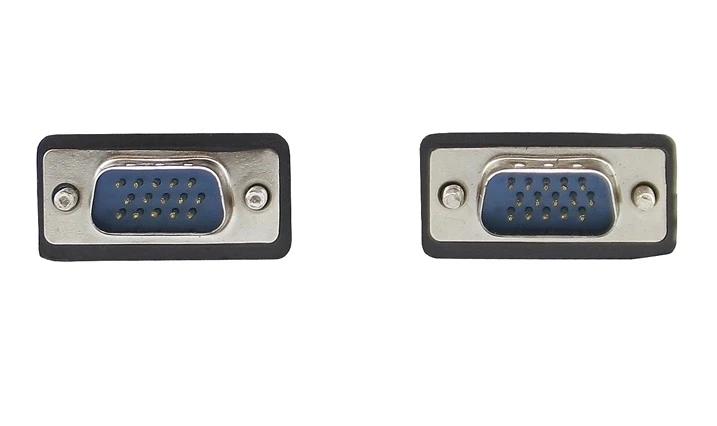
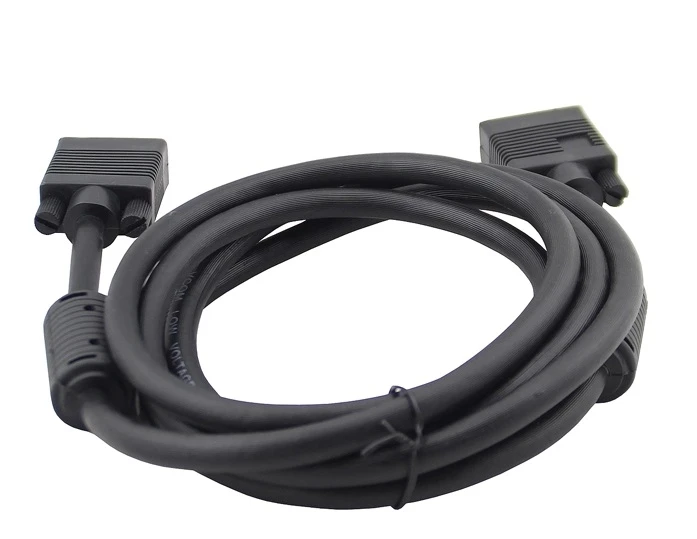
Most VGA cables have a frequency range that can handle up to 250 MHz. This range is sufficient for most standard VGA resolutions, such as 640x480, 800x600, 1024x768, and even some higher resolutions like 1280x1024. However, if you're looking to achieve higher resolutions or refresh rates, you might need a cable with a higher frequency range.
For example, if you want to use a monitor with a resolution of 1920x1200 or higher, you'll need a VGA cable that can handle a frequency of at least 350 MHz. This is because higher resolutions require more data to be transmitted, and a higher frequency range allows the cable to carry that data more efficiently.
It's important to note that the frequency range of a VGA cable isn't the only factor that affects video quality. Other factors, such as cable length, shielding, and the quality of the connectors, also play a role. A longer cable, for instance, can cause signal degradation, especially at higher frequencies. That's why it's always a good idea to use the shortest cable possible for the best results.
At our company, we offer a wide range of VGA cables to meet your needs. Whether you're looking for a basic VGA cable for everyday use or a high-performance cable for professional applications, we've got you covered.
One of our popular products is the Nickel Plated VGA Cable. The nickel plating provides excellent corrosion resistance and helps to reduce signal interference, resulting in a clearer and more stable video signal. It's a great choice for those who want a reliable and durable VGA cable.
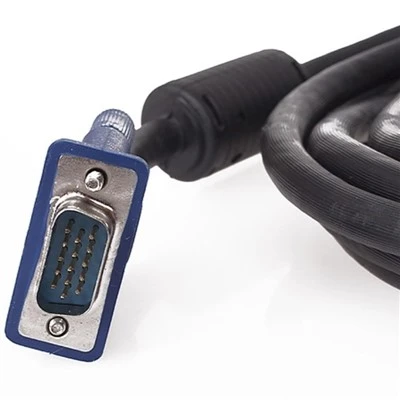
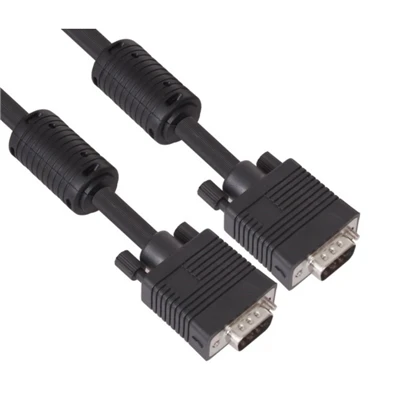
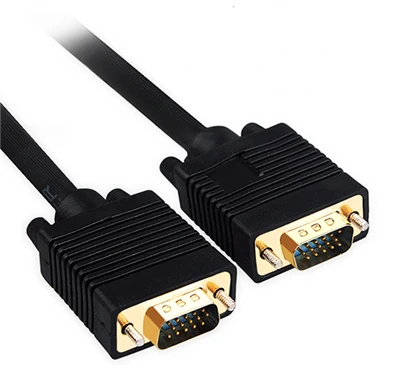
Another option is the VGA3+9 Cable. This cable has a unique 3+9 pin configuration, which allows for better signal transmission and compatibility with a wider range of devices. It's a versatile cable that can be used in various applications, from home computers to commercial displays.
If you're looking for the ultimate in VGA cable performance, we also offer the Gold Plated VGA Cable. Gold is an excellent conductor of electricity, and the gold plating on the connectors helps to ensure a low-resistance connection, which results in a higher-quality video signal. It's a premium cable that's perfect for high-end applications where image quality is of the utmost importance.
So, if you're in the market for a VGA cable, make sure to consider the frequency range and other factors that can affect video quality. And if you have any questions or need help choosing the right cable for your needs, don't hesitate to reach out to us. We're here to help you find the perfect VGA cable for your setup.
Whether you're a gamer, a professional graphic designer, or just someone who wants a reliable video connection for their computer, we've got the VGA cable you need. Contact us today to discuss your requirements and let's get you the best VGA cable solution for your situation.
References:
- Video Graphics Array (VGA) standard documentation
- Industry research on VGA cable performance and frequency ranges