

As a factory of GB T EV Charger Cable, I am often asked about the insulation performance of these cables. In this blog post, I will delve into the details of the insulation performance of GB T EV Charger Cables, exploring what it means, why it is important, and how it compares to other types of EV charger cables.
Understanding Insulation in EV Charger Cables
Insulation in EV charger cables serves as a protective layer that prevents the flow of electric current outside the intended path. It is crucial for ensuring the safety of both the charging equipment and the users. The insulation material used in GB T EV Charger Cables is carefully selected to meet specific standards and requirements.
The insulation performance of a cable is typically measured in terms of its dielectric strength, which is the maximum electric field that the insulation can withstand without breaking down. A higher dielectric strength indicates better insulation performance. In addition to dielectric strength, other factors such as insulation resistance, capacitance, and temperature rating also play important roles in determining the overall insulation performance of a cable.
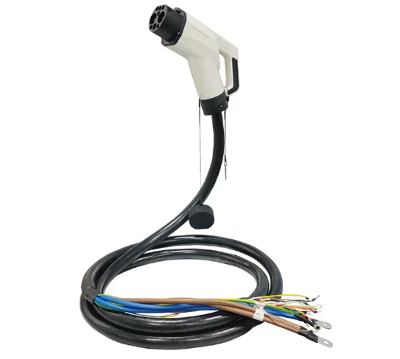
Importance of Insulation Performance in GB T EV Charger Cables
The insulation performance of GB T EV Charger Cables is of utmost importance for several reasons. Firstly, it ensures the safety of the charging process. A well-insulated cable prevents electric shocks and short circuits, which can be extremely dangerous. Secondly, good insulation performance helps to maintain the efficiency of the charging system. By minimizing the leakage of electric current, the cable can deliver power more effectively to the electric vehicle.
Moreover, the insulation performance of the cable also affects its durability and reliability. A cable with poor insulation is more likely to develop faults over time, leading to costly repairs and replacements. Therefore, investing in high-quality insulation is essential for ensuring the long-term performance and safety of the EV charging infrastructure.
Factors Affecting Insulation Performance
Several factors can affect the insulation performance of GB T EV Charger Cables. One of the most significant factors is the quality of the insulation material. High-quality insulation materials, such as cross-linked polyethylene (XLPE) or ethylene propylene rubber (EPR), offer better dielectric strength and resistance to environmental factors.
The thickness of the insulation layer also plays a crucial role. A thicker insulation layer provides better protection against electrical breakdown and reduces the risk of leakage. Additionally, the design and construction of the cable, including the way the insulation is applied and the presence of any shielding layers, can impact its insulation performance.
Environmental conditions can also have a significant impact on the insulation performance of the cable. Exposure to high temperatures, humidity, and chemicals can degrade the insulation material over time, reducing its effectiveness. Therefore, it is important to choose cables that are designed to withstand the specific environmental conditions in which they will be used.
Comparison with Other Types of EV Charger Cables
When comparing the insulation performance of GB T EV Charger Cables with other types of EV charger cables, such as Type 2 Car Charging Cable and Type 1 Car Charging Cable, it is important to consider the specific standards and requirements of each type.


GB T EV Charger Cables are designed to meet the Chinese national standards for electric vehicle charging. These standards specify the requirements for insulation performance, as well as other aspects such as cable construction, electrical performance, and safety features. In general, GB T EV Charger Cables offer good insulation performance, comparable to other international standards.
Type 2 Car Charging Cables are widely used in Europe and are designed to meet the IEC 62196 standard. These cables typically have a high level of insulation performance and are suitable for both single-phase and three-phase charging. Type 1 Car Charging Cables, on the other hand, are commonly used in North America and follow the SAE J1772 standard. While they also offer good insulation performance, they may have different specifications and requirements compared to GB T EV Charger Cables.
Ensuring High Insulation Performance
As a supplier of GB T EV Charger Cable, we take several measures to ensure the high insulation performance of our cables. Firstly, we use high-quality insulation materials that are carefully selected for their dielectric strength and resistance to environmental factors. Our cables are also subjected to rigorous testing and quality control procedures to ensure that they meet or exceed the relevant standards and requirements.
In addition to using high-quality materials and testing procedures, we also pay close attention to the design and construction of our cables. We use advanced manufacturing techniques to ensure that the insulation layer is evenly applied and that there are no defects or weak points in the cable. This helps to ensure the long-term reliability and safety of our cables.
Contact Us for Your EV Charger Cable Needs
If you are in the market for high-quality GB T EV Charger Cables, look no further. Our company is a leading supplier of EV charger cables, offering a wide range of products that are designed to meet the specific needs of our customers. We are committed to providing our customers with the highest level of quality and service, and we are always happy to answer any questions you may have about our products.
Whether you are a charging station operator, an electric vehicle manufacturer, or an individual looking to charge your electric vehicle at home, we have the right cable for you. Contact us today to learn more about our products and to discuss your specific requirements. We look forward to working with you to meet your EV charging needs.
References
- International Electrotechnical Commission (IEC). (2023). IEC 62196 - Electric vehicle conductive charging system - Part 2: Dimensional compatibility and interchangeability requirements for AC and DC connectors.
- Society of Automotive Engineers (SAE). (2023). SAE J1772 - Electric vehicle conductive charge couple device.
- Standardization Administration of China. (2023). GB/T [specific number] - Electric vehicle conductive charging system - General requirements.